The other fascination I have with noir is embedded in the history of movies and cities. I spent two decades investigating, here and there, mainly for course that I taught, the many intersections of the history of movies and of cities. Eventually I became obsessed with the contrast between panoramas and labyrinths in “city flicks.” (See the Musical Mixes tab for my musical rendition of panoramas and labyrinths). The movies inherited these two ways of seeing (and thinking) from earlier image culture. But what really got me is that the earliest city flicks were often panoramas, and spoke to the potential for opening up, better understanding, and improving our cities.
The modern city, the cultural critic Walter Benjamin wrote at the dawn of movie culture, deceived the citizen, “is on its guard against him, masks itself, flees, intrigues, lures him to wander its circles to the point of exhaustion.”But along came motion pictures, Benjamin continued, to promote the “heightened presence of mind” that had become essential to physical and political well-being in the metropolis. Movies utilized new modes of perception that corresponded to those “that are experienced on an individual scale by the man in the street in big-city traffic, on a historical scale by every present-day citizen.” On the one hand, the motion picture extends “our comprehension of the necessities which rule our lives; on the other hand, it manages to assure us of an immense and unexpected field of action. Our taverns and our metropolitan streets, our offices and furnished rooms, our railroad stations and our factories appeared to have us locked up hopelessly. Then came the film and burst this prison-world asunder by the dynamite of the tenth of a second," Benjamin concluded, "so that now, in the midst of its far-flung ruins and debris, we calmly and adventurously go traveling.” Yet a half century later, film noir reversed all these hopeful assessments. Noir tended to picture the city as a trap, a labyrinth that seemed to prevent all escape, all improvement.
I worked on an essay on “panoramas and labyrinths” and came close to publishing it (one reviewer said yes, the other no), but never fully got my arms around the topic. I’d still say that’s true. One negative review advised me to look into “Ed” Dimenberg’s work (the diminutive struck me as prime evidence of my own outsider status in the profession, or perhaps my eclectic research interests that often took me into precincts that I knew little about). I did indeed look into (devoured) Edward Dimendberg’s Film Noir and the Spaces of Modernity, an excellent and mind-bending study. Among other things, Dimendberg’s study suggests a possible connection between the supposed main theme of this website (World Series as public festival in privatizing society and film noir, as Dimendberg convincingly shows how film noir addressed many of the same issues/forces reshaping baseball at this time: racial and demographic change, flight from the city to suburbia and the Sun Belt, television and jet travel, privatization, and the like.
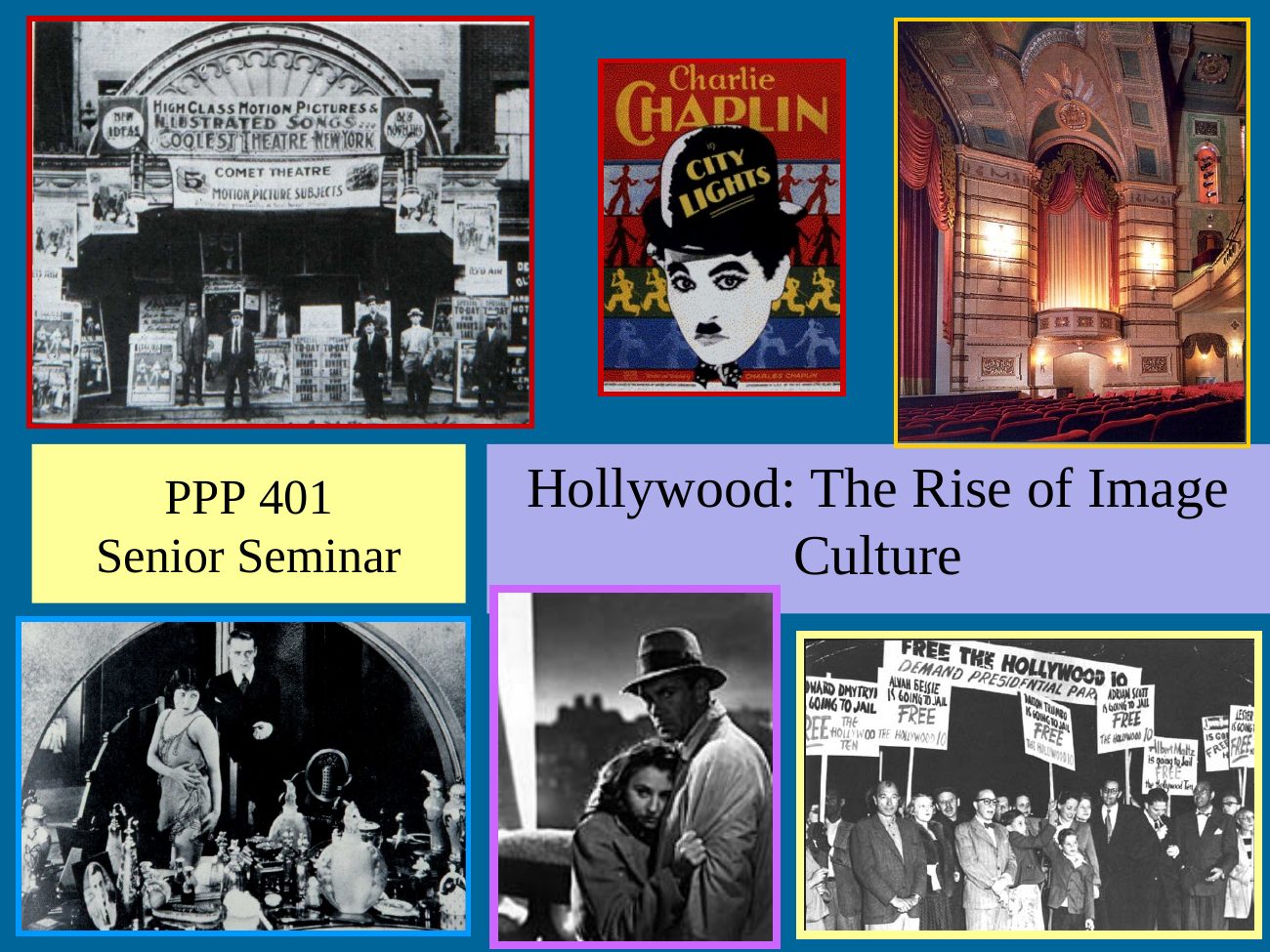
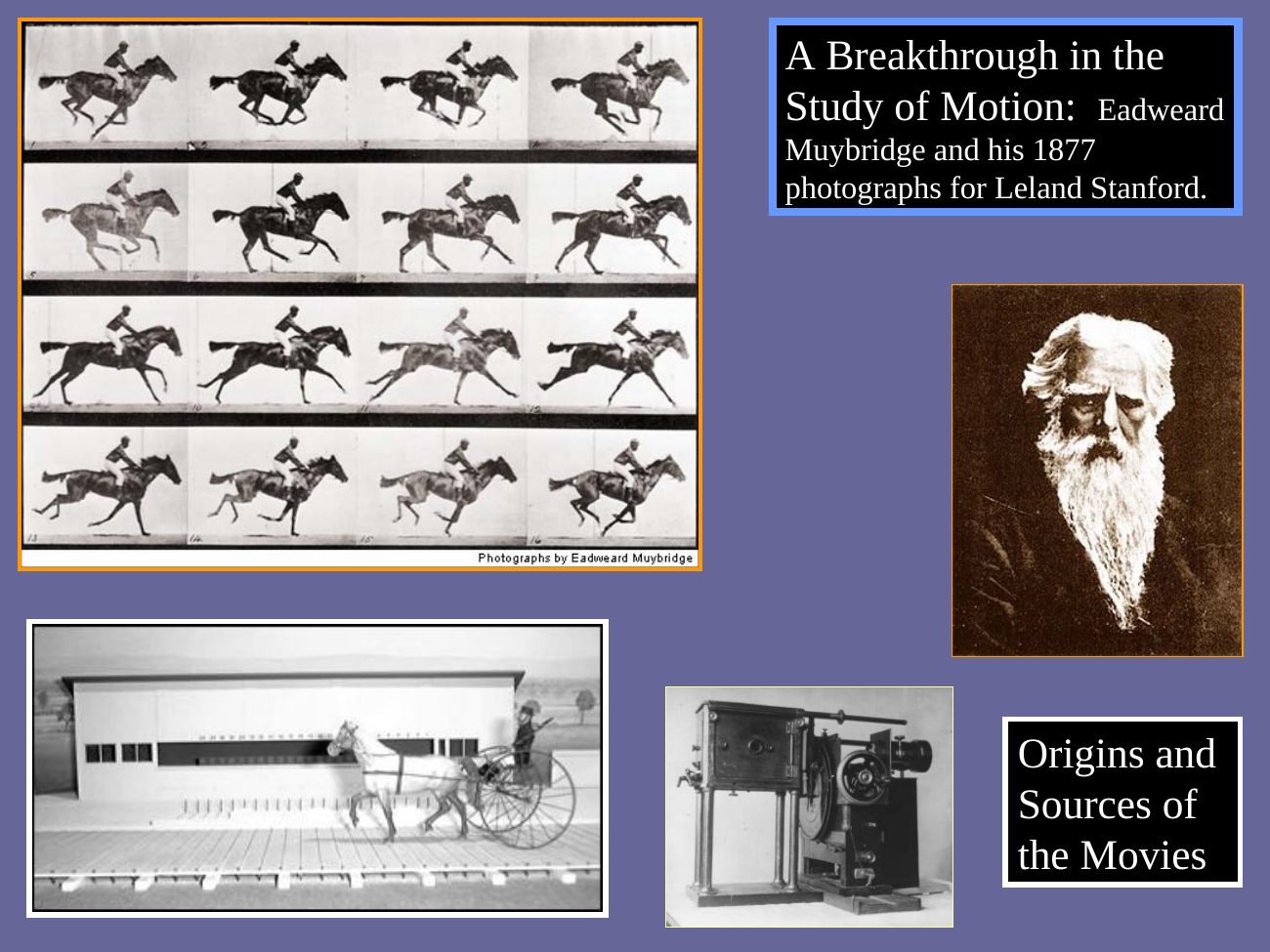
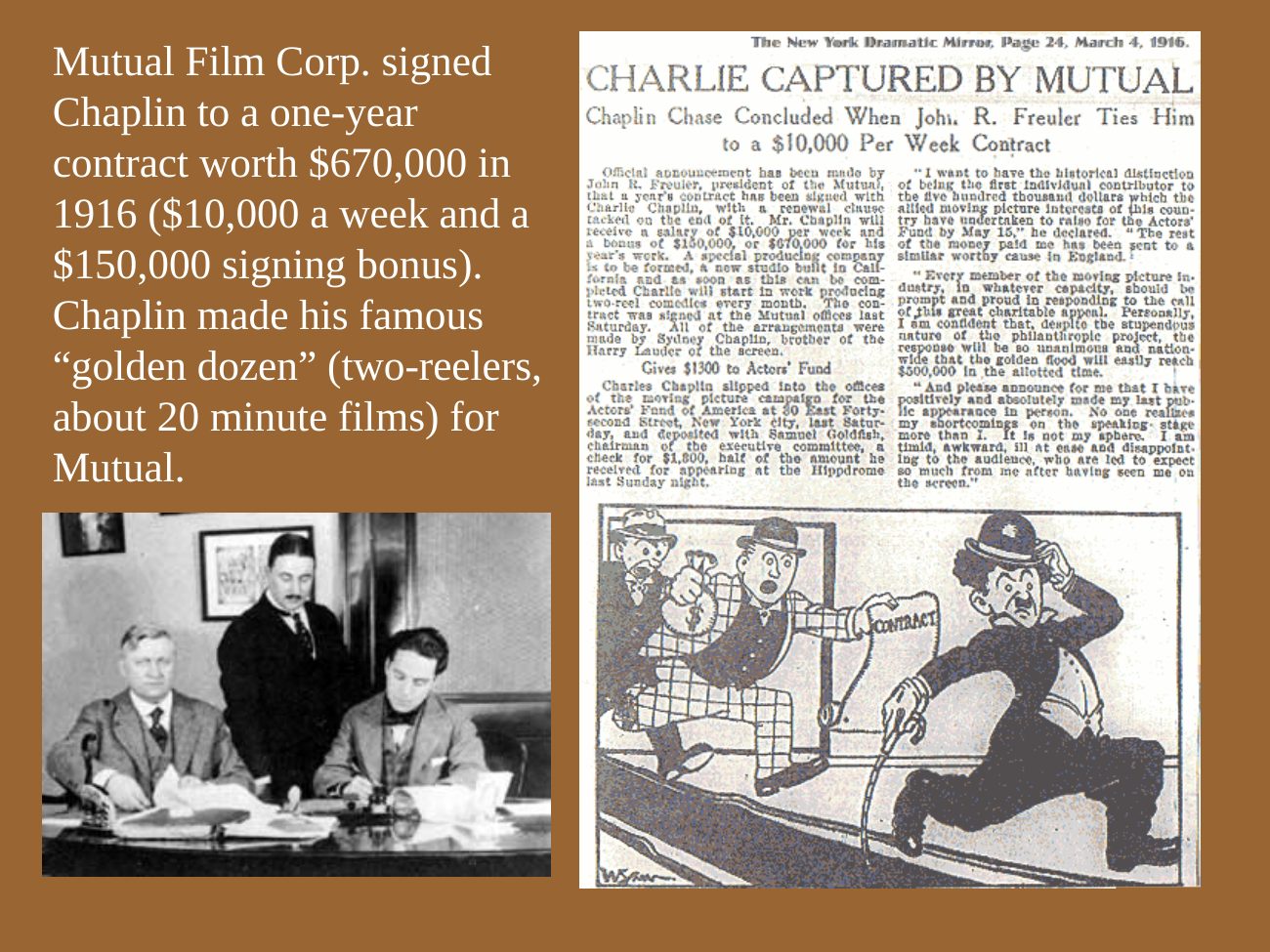
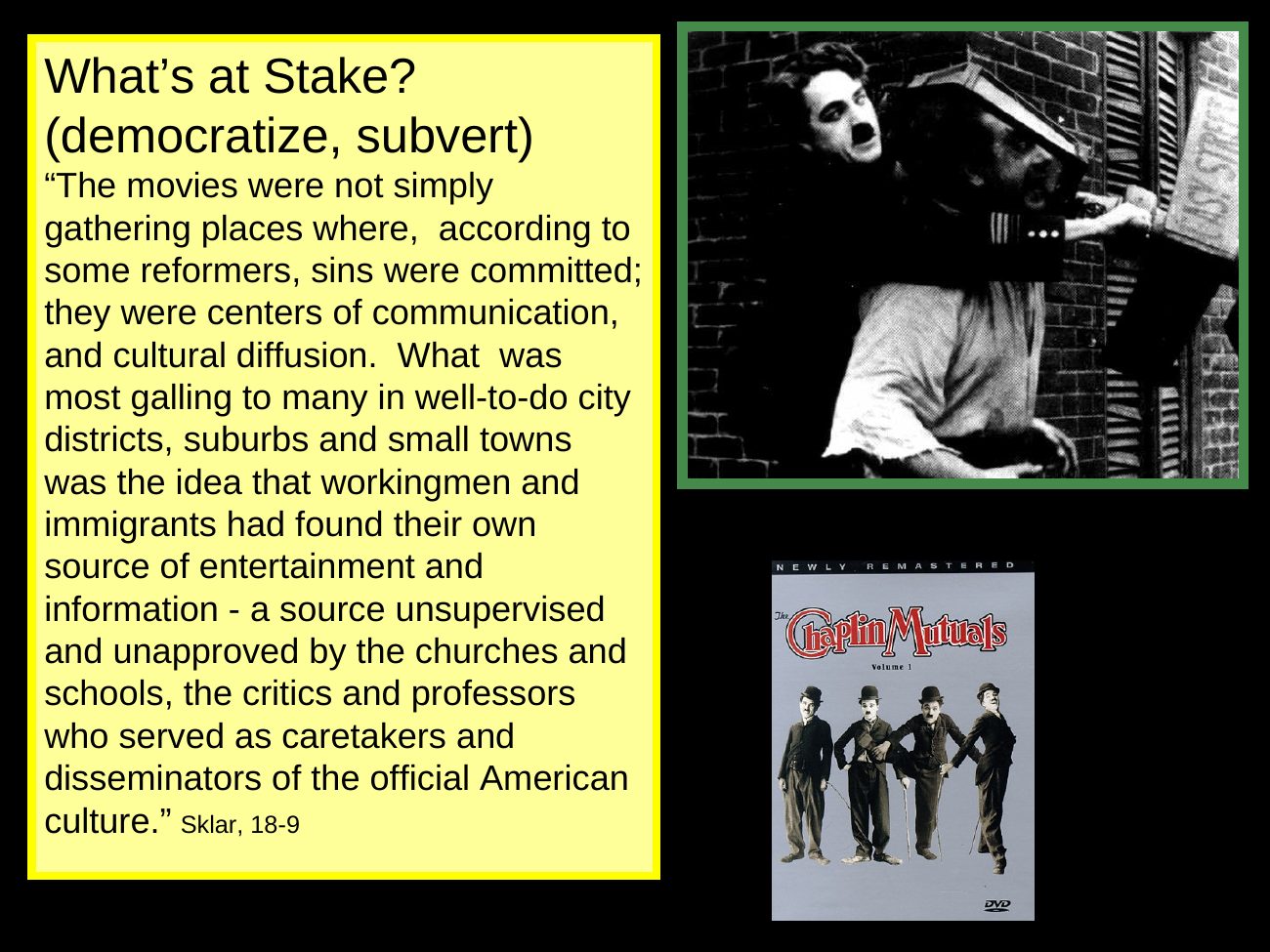
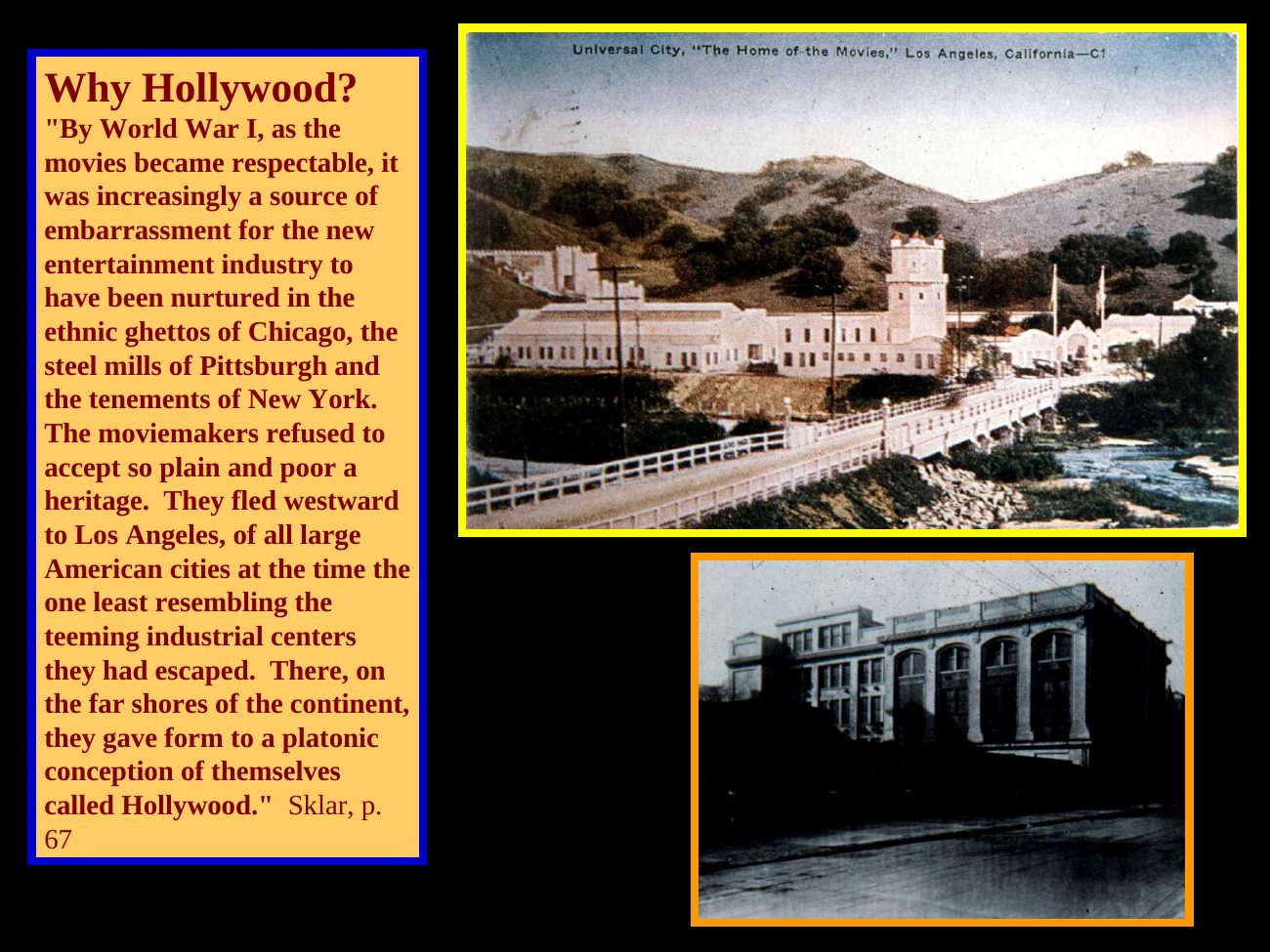
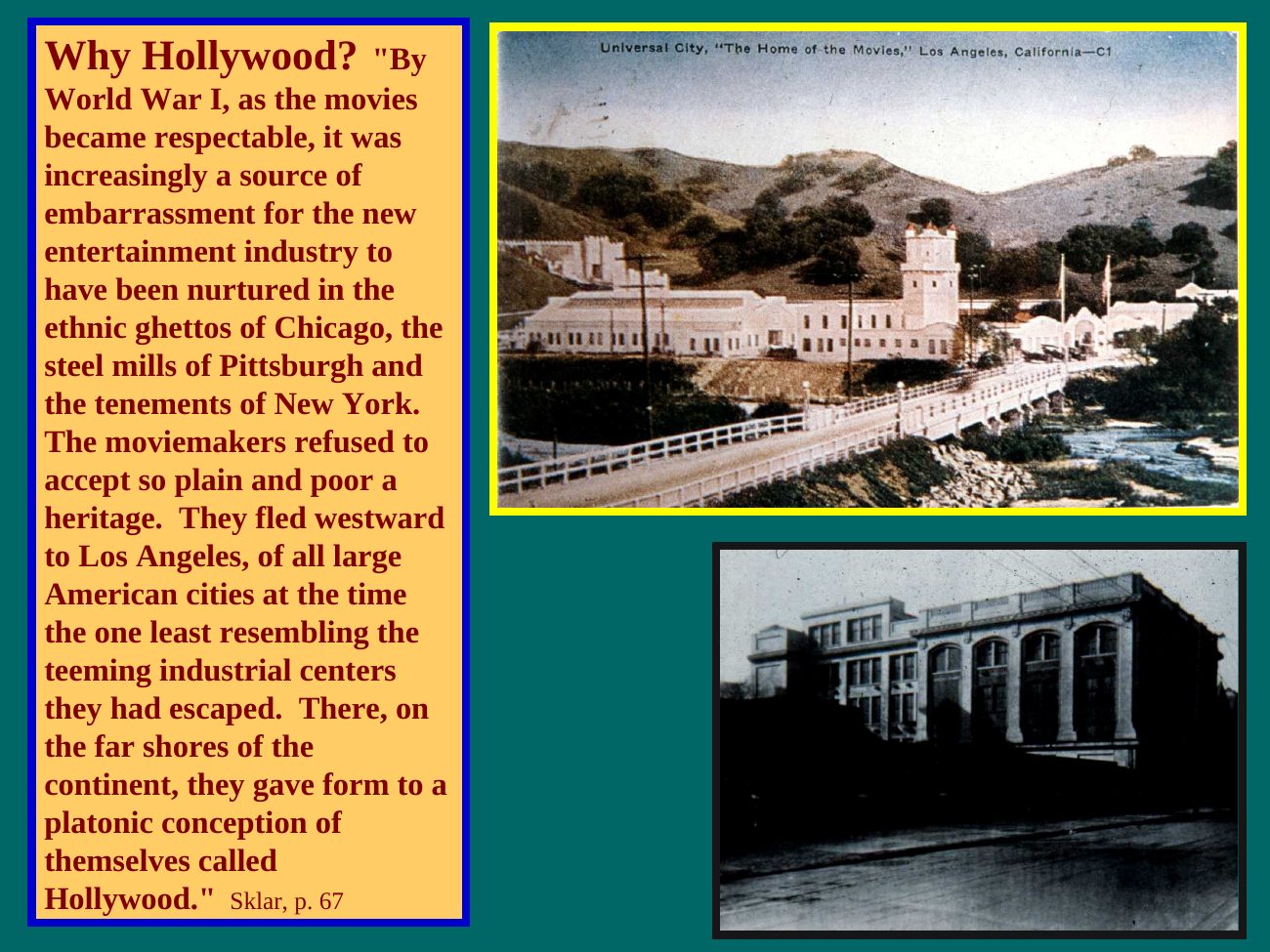
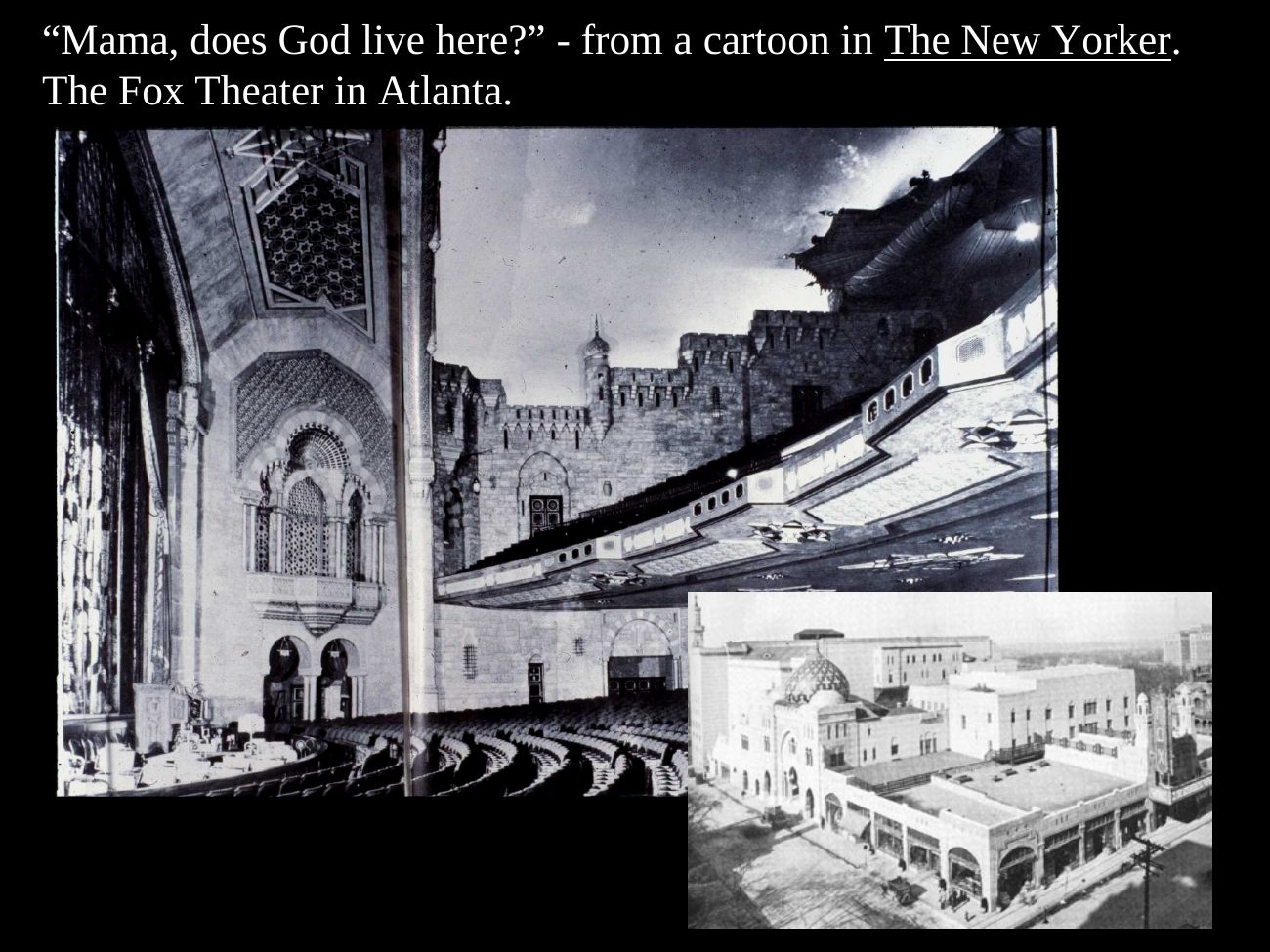
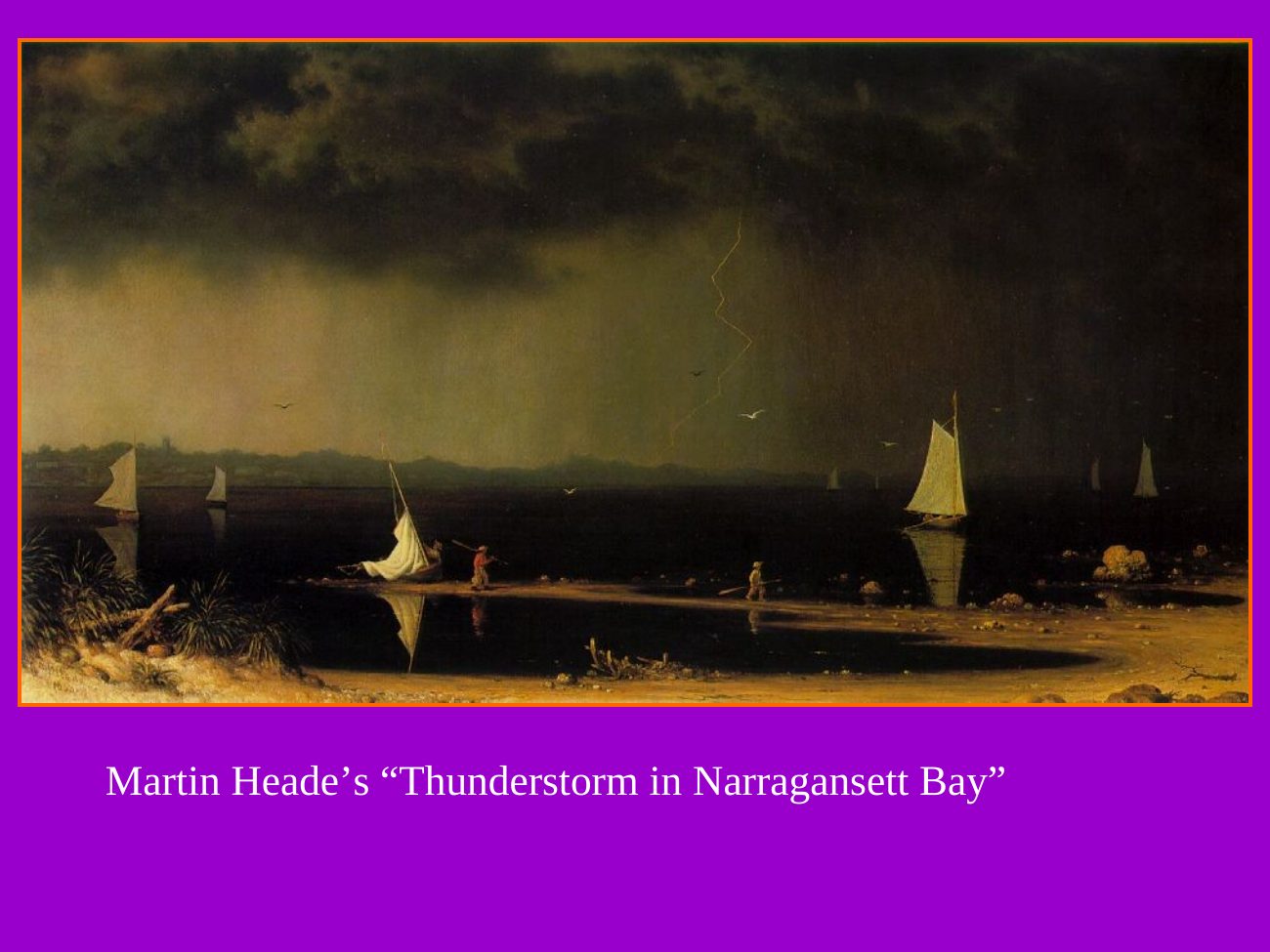
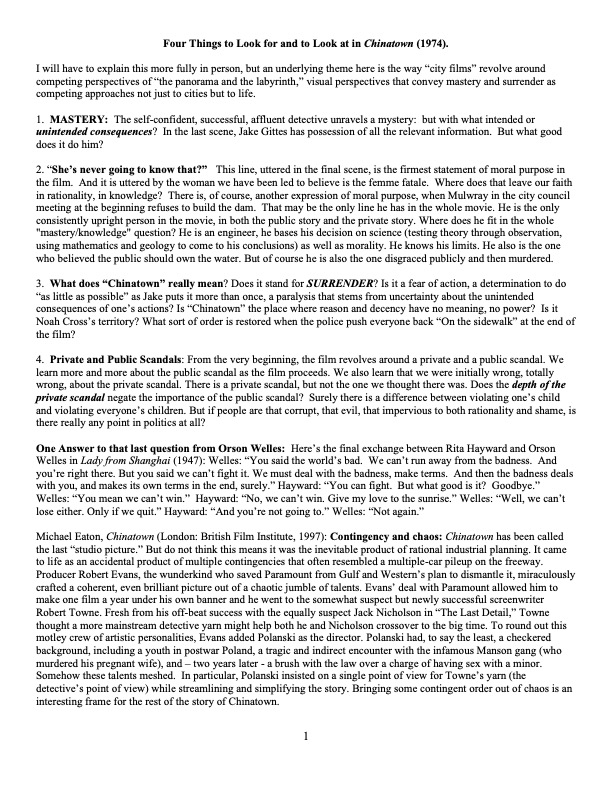
The link below provides a brief glimpse (classroom powerpoints in pdf format) into the rabbit hole I went down. Below that is the unpublished, unfinished essay in question.
pan.lab.pdf
CIVICNED.pdf
timemotion.pdf
the essay in question